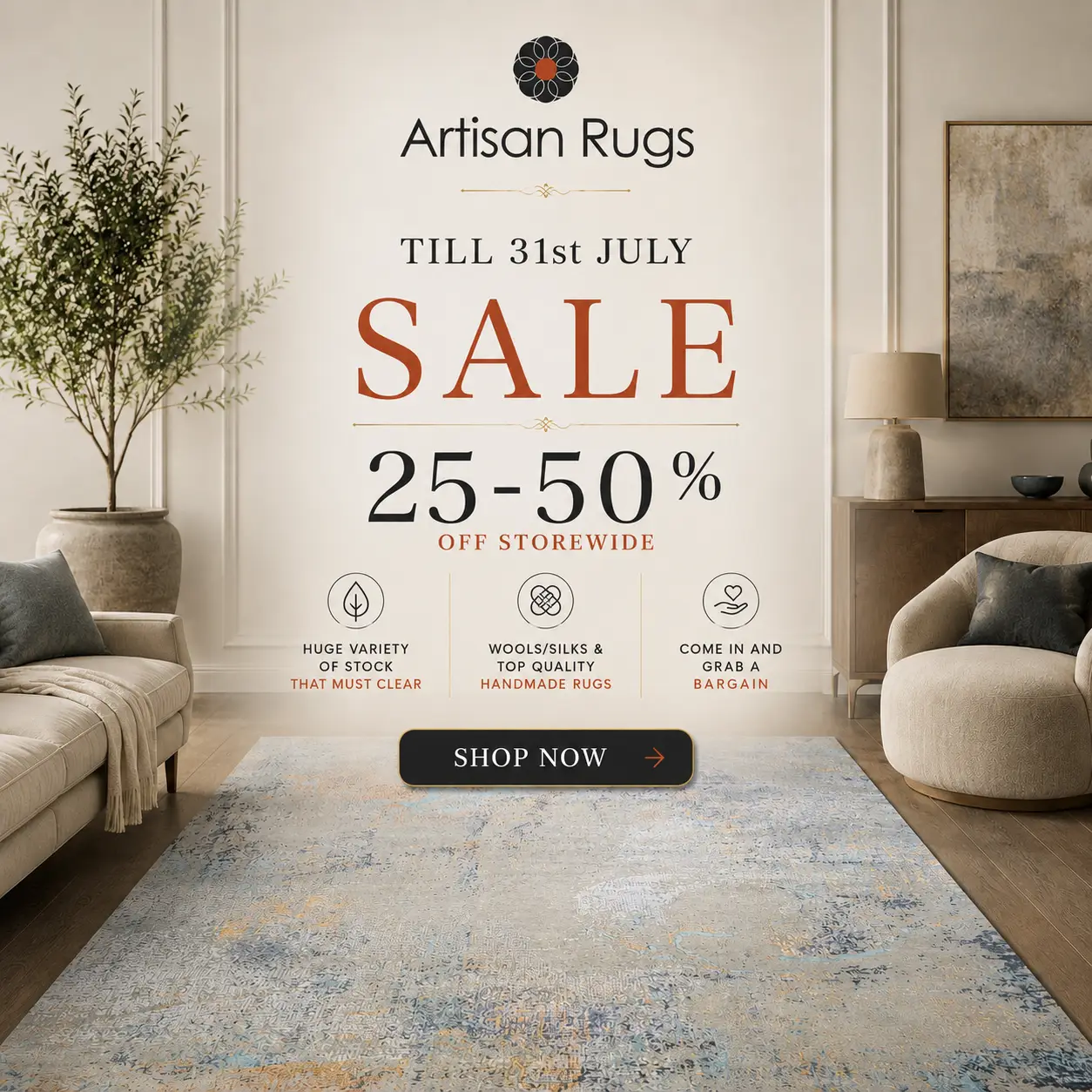
Timber flooring has a distinctive character that can make a home feel warm, open, and inviting. From pale oak-inspired shades to deeper brown finishes, wood flooring offers a natural appearance that works with many interior styles. However, a room with extensive timber flooring can sometimes benefit from additional texture, colour, and softness. A thoughtfully chosen rug can provide these qualities while allowing the beauty of the floor to remain visible.
For homeowners exploring Perth Rugs, the challenge is finding a design that complements the timber rather than competing with it. The right rug should suit the floor’s colour, the furniture arrangement, and the way the room is used. With careful consideration, you can create a comfortable space that feels balanced and reflects your personal taste.
Understand the Colour of Your Timber Flooring
Before choosing a rug, take a close look at the colour and undertones of your floor. Some timber floors have warm golden or reddish shades, while others appear cooler, greyish, or more neutral. These differences can influence which rug colours work best in the room.
Warm timber can pair naturally with cream, beige, terracotta, olive, and other earthy shades. Cooler flooring may work well with soft grey, muted blue, charcoal, or neutral colours. These are starting points rather than strict rules, because the surrounding furniture and the amount of natural light also affect the final appearance.
When comparing Perth Rugs, look at the floor and rug colours together rather than judging them separately. A rug that appears attractive in a showroom may look quite different when placed against your flooring at home. If possible, take photographs of the room in daylight and under your usual evening lighting.
You do not have to choose a rug that matches the floor exactly. In many cases, a little contrast helps the rug stand out and prevents the room from looking too uniform.
Decide How Much Timber You Want to Show
One advantage of timber flooring is its natural grain and finish. Covering too much of it may hide a feature you want to keep visible, while using a very small rug may make a large room feel disconnected.
Think about the purpose of the rug before deciding on its dimensions. In a living room, a larger rug can sit beneath the main seating arrangement and define the area. In a bedroom, it may extend beyond the bed to create a comfortable surface when you get up. A smaller rug might be better suited to an occasional chair or a reading corner.
For homeowners searching for Rugs Perth, measuring the available space is an important step. Mark the measurements for the rug by using masking tape on the floor. This lets you see how much timber will remain visible around the edges and whether the rug will interfere with doors or furniture.
The right balance depends on the room. A spacious living area may suit a generous rug with a clear border of timber around it, while a compact room may need a more carefully proportioned design.
Mix Natural Materials Without Making the Room Feel Busy
Timber floors work well with other natural materials, including wool, cotton, linen, leather, and woven textures. Combining these materials can give a room more depth and make it feel comfortable without relying on strong colours or elaborate patterns.
For example, a wool rug can introduce softness beside a timber coffee table. Linen curtains and upholstered seating may add further texture, while a few carefully chosen accessories can complete the space. The aim is not to use as many natural materials as possible, but to select a combination that feels appropriate for the room.
When exploring Perth Rugs, consider how the rug’s surface will look beside your furniture. A textured design can add interest to a room with smooth flooring and simple furniture. If the room already contains heavily grained timber, woven baskets, and patterned upholstery, a quieter rug may be a better fit.
Texture works well for people who like neutral colors. Different materials can create visual interest even when the colour palette remains fairly restrained.
Choose Patterns That Complement the Floor
Timber flooring often has visible lines and natural variations in colour. The rug pattern should work alongside these features instead of making the room feel overly complicated.
Simple geometric designs can complement contemporary furniture and clean architectural lines. Traditional patterns may suit homes with classic furniture or more detailed timber finishes. Abstract designs can add character to a room where the flooring and furniture are relatively understated.
People comparing Rugs Perth should consider the scale of the pattern as well as its colours. A large, bold design may become a strong feature in a spacious room, while a smaller or more subtle pattern may be better suited to a compact area.
If you already have patterned curtains, cushions, or artwork, look for a rug that shares one or two colours with those items. This creates a connection between different parts of the room without requiring every pattern to match.
It can also help to view the room from the doorway. This gives you a broader perspective on how the rug, timber flooring, and furniture work together.
Protect Your Flooring with the Right Setup
Although timber floors are durable, they can be affected by grit, moisture, and repeated furniture movement. A rug can help reduce direct contact in selected areas, but it needs proper care to avoid causing problems of its own.
Dust and small particles can collect underneath a rug. If they become trapped between the rug and the floor, movement may lead to scratches. Lift the rug periodically and clean both surfaces according to their respective care instructions.
When selecting Perth Rugs for timber flooring, check that the rug backing and any underlay are suitable for your floor’s finish. Some materials may react with certain coatings, so it is sensible to follow the flooring manufacturer’s advice. A compatible underlay can also help keep the rug stable and reduce the risk of slipping.
Avoid placing a damp rug on timber flooring, and make sure spills are handled promptly using appropriate cleaning methods. These precautions can help you enjoy the rug while taking care of the floor underneath.
Match the Rug to the Furniture Arrangement
The way furniture is positioned can influence how well a rug works in a room. A rug that is the right colour but poorly sized may look out of place once the sofa, chairs, and tables are arranged.
In a living room, allowing the front legs of the main seating furniture to rest on the rug can help create a connected seating area. In a dining room, the rug should provide enough space for chairs to remain on it when they are pulled away from the table. In a bedroom, consider how the rug will feel when you step out of bed and whether it leaves enough room for other furniture.
When considering Rugs Perth, measure the furniture as well as the floor area. This is particularly useful when working with large sofas, round dining tables, or rooms with unusual proportions.
Do not forget the walking routes. People should be able to move comfortably through the room without catching their feet on the rug’s edges. A well-planned arrangement should feel natural during everyday use, not just look attractive in a photograph.
Select a Style That Will Last Beyond Current Trends
Interior styles change over time, but replacing a rug whenever preferences shift can become expensive. Choosing a design that suits your home and personal taste can make it easier to update the surrounding room without starting again.
Neutral colours, classic patterns, and versatile textures can work with a range of furniture styles. However, there is no need to avoid bold designs if they genuinely appeal to you. The key is to choose something you will enjoy seeing every day rather than buying solely because it is currently fashionable.
For those comparing Perth Rugs, consider quality, construction, and maintenance alongside appearance. Ask about the material, recommended cleaning methods, and suitability for the intended room. If you have a particular size or colour in mind, you can also ask whether suitable custom options are available.
Artisan Rugs Perth offers an opportunity to explore rug styles that can complement different homes and preferences. Taking time to compare your options can help you make a decision that suits both the room and your lifestyle.
Create a Comfortable Home Around Your Timber Floors
Timber flooring provides a strong starting point for a welcoming interior, and a well-chosen rug can add another layer of comfort and character. The most suitable design will depend on the floor’s colour, the room’s dimensions, the furniture arrangement, and the amount of maintenance you are prepared to undertake.
Before buying, measure the space, consider the colours already present, and check that the rug and underlay are suitable for your flooring. These practical steps can help you choose a rug that complements the natural character of your home.
If you are exploring Rugs Perth, contact Artisan Rugs Perth to discuss available styles and options for your space. With the right choice, you can enjoy the beauty of your timber floors while making the room feel more comfortable and complete.
Frequently Asked Questions
Q: What rug colours work well with timber floors?
Cream, beige, earthy shades, muted greens, and selected contrasting colours can work well. The best choice depends on the timber’s undertones, the furniture, and the room’s lighting.
Q: Should a rug cover most of a timber floor?
Not necessarily. The ideal size depends on the room and its furniture. Leaving a visible border of timber can highlight the flooring, while a larger rug may help define a seating area.
Q: Can rugs scratch timber flooring?
A rug itself may not be the main problem, but grit trapped underneath can cause scratches. Regularly clean beneath the rug and use a compatible underlay where appropriate.
Q: Are wool rugs suitable for timber floors?
Wool rugs can be suitable, depending on their construction and backing. Check the product’s care instructions and ensure any underlay is compatible with your floor finish.
Q: How do I choose the correct rug size for my living room?
Measure the room and furniture layout before buying. Consider how the rug will sit beneath the seating furniture and ensure that walkways and doorways remain clear.